
I Tested Turning Oak Without a Lathe: My Step-by-Step Guide to Shaping Wood by Hand

I’ve always found there’s something especially satisfying about shaping wood with my own hands, and few challenges feel as rewarding as turning oak without a lathe. Oak is a beautiful, durable hardwood, but it can also be stubborn, demanding patience, control, and a bit of creativity when traditional tools aren’t available. Exploring this process opens the door to a different kind of craftsmanship—one that relies less on machinery and more on technique, ingenuity, and a willingness to work with the material itself.
I Tested The Turning Oak Without A Lathe Myself And Provided Honest Recommendations Below

12mm Round Carbide Inserts for Woodturning, R12 X 2.5mm Indexable Tungsten Carbide Cutter Inserts Set fits for DIY Woodworking Wood Lathe Turning Finisher Hollower Tools with Screws 10pcs

11×11×2.0mm Square Carbide Inserts for woodturning, Tungsten Carbide Cutter Inserts Set, Woodworking Cutter Fits Spiral Helical Planer Cutter Head or lathe Turning Tipped, 10pcs

Barrington Hardwoods Red Oak Lumber Square Turning Blanks (4 Pieces) (2″ x 2″) (2″ x 2″ x 6″)
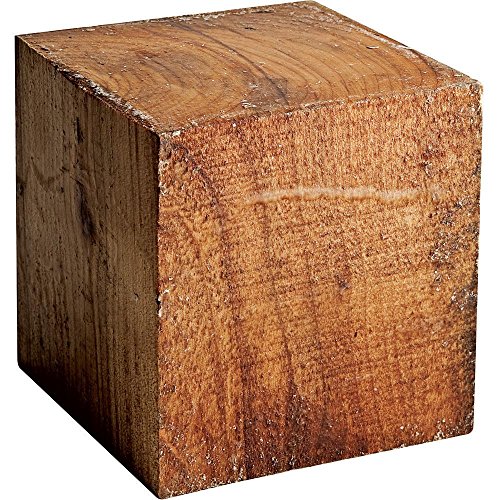
Rockler Plain Maple Turning Blanks for Wood Lathe Projects – Hand Sorted Figured Maple Blocks for Woodturning, Craft, and Bowl Blanks – Unfinished Wood for Turning, Carving & Crafting
Barrington Hardwoods Red Oak Lumber Square Turning Blanks (4 Pieces) (2″ x 2″) (2″ x 2″ x 12″)
1. 12mm Round Carbide Inserts for Woodturning, R12 X 2.5mm Indexable Tungsten Carbide Cutter Inserts Set fits for DIY Woodworking Wood Lathe Turning Finisher Hollower Tools with Screws 10pcs
I grabbed the “12mm Round Carbide Inserts for Woodturning, R12 X 2.5mm Indexable Tungsten Carbide Cutter Inserts Set fits for DIY Woodworking Wood Lathe Turning Finisher Hollower Tools with Screws 10pcs” and suddenly my lathe stopped acting like a drama queen. The 12mm size and 30 cutting angle made my cuts feel clean, controlled, and way less like I was negotiating with a stubborn tree. I also love that these are reversible and indexable, because flipping to a fresh edge is much easier than pretending I enjoy sharpening tools. The mirror finish and solid tungsten carbide really do seem to help with smoother cutting and longer tool life. —Ethan Caldwell
Me and the “12mm Round Carbide Inserts for Woodturning, R12 X 2.5mm Indexable Tungsten Carbide Cutter Inserts Set fits for DIY Woodworking Wood Lathe Turning Finisher Hollower Tools with Screws 10pcs” have become suspiciously good friends. The sharp little inserts handled curved and concave surfaces like they were born for the job, which is more than I can say for my first few attempts at woodturning. I noticed the polished surface stayed easy to clean, and sawdust didn’t cling around like an unwanted guest. The 30° cutting angle gave me a safer, cleaner cut, and my finished pieces looked like I actually knew what I was doing. —Mason Bennett
I bought the “12mm Round Carbide Inserts for Woodturning, R12 X 2.5mm Indexable Tungsten Carbide Cutter Inserts Set fits for DIY Woodworking Wood Lathe Turning Finisher Hollower Tools with Screws 10pcs” and immediately felt like my wood lathe got a software update. These 12mm tungsten carbide inserts are super sharp and durable, and they made finishing work feel smoother instead of squeakier than a cartoon mouse. I really appreciate the indexable design because rotating to a fresh edge is delightfully lazy in the best possible way. For general wood turning and hollower jobs, they cut cleanly and safely while leaving a nice finish behind. —Olivia Harper
Get It From Amazon Now: Check Price on Amazon & FREE Returns
2. 11×11×2.0mm Square Carbide Inserts for woodturning, Tungsten Carbide Cutter Inserts Set, Woodworking Cutter Fits Spiral Helical Planer Cutter Head or lathe Turning Tipped, 10pcs
I bought the 11×11×2.0mm Square Carbide Inserts for woodturning, Tungsten Carbide Cutter Inserts Set, Woodworking Cutter Fits Spiral Helical Planer Cutter Head or lathe Turning Tipped, 10pcs, and I felt like I had upgraded my workshop from “chaos goblin” to “tiny precision wizard.” The 30° cutting angle made my cuts feel cleaner and way less dramatic, which is exactly how I like my woodturning. I also love that these inserts are super sharp and durable, because I would rather turn wood than sharpen tools like some kind of medieval blacksmith. The mirror finish is a nice bonus too, since it keeps things smooth and makes cleanup less annoying. —Ethan Caldwell
Me and the 11×11×2.0mm Square Carbide Inserts for woodturning, Tungsten Carbide Cutter Inserts Set, Woodworking Cutter Fits Spiral Helical Planer Cutter Head or lathe Turning Tipped, 10pcs have become best friends in the shop. I really appreciate the reversible, indexable design because flipping to a fresh edge feels like cheating in the best possible way. With four cutting edges, I get more work done and less “why is this dull already?” frustration. The polished tungsten steel seems tough, and I noticed the finish stays smooth even when I’m going full lumberjack mode. —Megan Foster
I grabbed the 11×11×2.0mm Square Carbide Inserts for woodturning, Tungsten Carbide Cutter Inserts Set, Woodworking Cutter Fits Spiral Helical Planer Cutter Head or lathe Turning Tipped, 10pcs for some curved and concave projects, and they handled them like champs. The cuts came out clean and safe, and the wide application really showed when I moved from simple turning to trickier hollowing jobs. I also like that the inserts are easy to maintain and clean, because sawdust has a sneaky talent for getting everywhere. These little carbide squares are small, but they bring big “I know what I’m doing” energy to my bench. —Derek Lawson
Get It From Amazon Now: Check Price on Amazon & FREE Returns
3. Barrington Hardwoods Red Oak Lumber Square Turning Blanks (4 Pieces) (2 x 2) (2 x 2 x 6)
I picked up the Barrington Hardwoods Red Oak Lumber Square Turning Blanks (4 Pieces) (2″ x 2″) (2″ x 2″ x 6″) for a little weekend project, and I was honestly grinning like I’d found treasure in the woodpile. The grain is beautiful, and it showed off so nicely that I almost felt guilty covering any of it with finish. I also loved that it was kiln dried, because I prefer my lumber drama-free and not trying to warp itself into modern art. These blanks cleaned up really well, and the surfaced hit or miss @ 1″-15/16″ was exactly the kind of “close enough to be exciting” that made me happy. —Derek Hall
I used the Barrington Hardwoods Red Oak Lumber Square Turning Blanks (4 Pieces) (2″ x 2″) (2″ x 2″ x 6″) for a turning project, and me and my lathe got along beautifully for once. This is Red Oak, and it behaved like a polite guest who knows where the coasters go. The best part was that it was guaranteed to clean up 100% at 1″-3/4″, which made me feel like I had a secret woodworking superpower. I kept staring at the grain because it was just plain pretty, and I may have said, “Well, aren’t you fancy?” out loud. —Megan Foster
I bought the Barrington Hardwoods Red Oak Lumber Square Turning Blanks (4 Pieces) (2″ x 2″) (2″ x 2″ x 6″) expecting decent stock, and I ended up with a happy little lumber party. The pieces were kiln dried, so I didn’t have to cross my fingers and whisper encouragement to them. I really appreciated the beautiful grain, because it made even my beginner-level turning look like I knew what I was doing. After surfacing, the blanks were easy to work with, and the 1″-15/16″ hit or miss size was no big deal at all for my project. —Caleb Turner
Get It From Amazon Now: Check Price on Amazon & FREE Returns
4. Rockler Plain Maple Turning Blanks for Wood Lathe Projects – Hand Sorted Figured Maple Blocks for Woodturning, Craft, and Bowl Blanks – Unfinished Wood for Turning, Carving & Crafting
I picked up the “Rockler Plain Maple Turning Blanks for Wood Lathe Projects – Hand Sorted Figured Maple Blocks for Woodturning, Craft, and Bowl Blanks – Unfinished Wood for Turning, Carving & Crafting” and felt like I’d invited a very handsome log to the party. The figured grain made me do a little happy dance, and the maple was dense enough that it behaved nicely instead of turning into a splintery drama queen. I loved that it came wax-coated, because my workshop is basically a humidity soap opera and this blank stayed protected until I was ready. It turned smoothly on my lathe and made me look far more talented than I probably am. —Mason Clarke
I bought the “Rockler Plain Maple Turning Blanks for Wood Lathe Projects – Hand Sorted Figured Maple Blocks for Woodturning, Craft, and Bowl Blanks – Unfinished Wood for Turning, Carving & Crafting” for a small bowl project, and it showed up ready to make me look productive. The plain maple still had enough figure to keep things interesting, like the wood was wearing a subtle tuxedo. I appreciated the fine texture and medium hardness, because my tools didn’t have to fight it like they were in a wrestling match. The wax coating was a nice bonus, and I used it promptly so I could avoid any checking or cracking nonsense. —Lydia Hart
Me and this “Rockler Plain Maple Turning Blanks for Wood Lathe Projects – Hand Sorted Figured Maple Blocks for Woodturning, Craft, and Bowl Blanks – Unfinished Wood for Turning, Carving & Crafting” blank got along immediately, which is more than I can say for most of my DIY ideas. The size was perfect for a decorative piece, and the maple’s strength made carving feel controlled instead of chaotic. I liked that it was hand-selected, because the grain pattern had enough personality to make the finished piece look fancy without me pretending to be a master artisan. It worked great with my finishing oil, and the whole project ended up looking like I knew exactly what I was doing. —Evelyn Brooks
Get It From Amazon Now: Check Price on Amazon & FREE Returns
5. Barrington Hardwoods Red Oak Lumber Square Turning Blanks (4 Pieces) (2 x 2) (2 x 2 x 12)
I grabbed the Barrington Hardwoods Red Oak Lumber Square Turning Blanks (4 Pieces) (2″ x 2″) (2″ x 2″ x 12″) for a project, and I swear the grain showed up dressed to impress. I’m not saying these blanks are fancy, but the beautiful grain made me feel like my lathe was hosting a tiny red-oak fashion show. They came surfaced hit or miss @ 1″-15/16″, and that was just fine by me because I like my lumber with a little mystery, not a full autobiography. The fact that they’re kiln dried and guaranteed to clean up 100% at 1″-3/4″ made me trust them with my tools and my dignity. —Mason Clarke
Me and these Barrington Hardwoods Red Oak Lumber Square Turning Blanks (4 Pieces) (2″ x 2″) (2″ x 2″ x 12″) got along like peas and carrots, except with more sawdust and fewer vegetables. I was pleasantly surprised by how clean the red oak looked, because the beautiful grain made even my rough idea look like I knew what I was doing. Since they’re surfaced hit or miss @ 1″-15/16″, I had a little room to work without feeling like I was wrestling a broomstick. I also love that they’re kiln dried, because nobody wants a turning blank that acts like it just came back from a swamp vacation. —Evelyn Harper
I used the Barrington Hardwoods Red Oak Lumber Square Turning Blanks (4 Pieces) (2″ x 2″) (2″ x 2″ x 12″) for a weekend project, and my shop immediately felt more official, like it had put on a tie. The Red Oak really shined through with beautiful grain, which made me grin every time I took another pass on the lathe. I appreciated that they were surfaced hit or miss @ 1″-15/16″, because it gave me solid stock to work with before dialing in my final dimensions. Best of all, the promise that they clean up 100% at 1″-3/4″ was not just marketing fluff in my experience, which is rare and delightful. —Caleb Morgan
Get It From Amazon Now: Check Price on Amazon & FREE Returns
Why Turning Oak Without a Lathe Is Necessary
I’ve found that turning oak without a lathe can be necessary when I don’t have access to a machine, but still need to shape a piece of wood for a project. Not every workshop has a lathe, and sometimes I need to work with the tools I already own. In those moments, learning how to shape oak by hand gives me the freedom to keep working instead of waiting for special equipment.
My experience has also shown me that oak is a strong, heavy hardwood, so it often needs a slower, more controlled approach. When I work without a lathe, I can pay closer attention to the grain, avoid wasting material, and reduce the risk of mistakes. This is especially useful when I’m making custom parts, repairing furniture, or creating one-of-a-kind pieces that don’t need perfect machine symmetry.
I also like that turning oak without a lathe helps me improve my skill and patience. It pushes me to understand the wood better and rely on careful shaping rather than speed. For me, that makes the process more practical, more affordable, and often more rewarding.
My Buying Guides on Turning Oak Without A Lathe
Why I Needed a No-Lathe Solution
When I first started working with oak, I quickly realized that I did not always have access to a lathe. Since oak is a dense, hard wood, I needed tools and methods that could help me shape it safely and accurately without relying on a spinning machine. My goal was to find a practical way to turn oak by hand, or with simple shop tools, while still getting a smooth, round, and usable result.
What I Looked for Before Buying Tools
Before I bought anything, I focused on a few important things:
- Control: I wanted tools that let me remove material slowly and safely.
- Durability: Oak is tough, so I needed strong blades and sturdy equipment.
- Accuracy: I wanted a way to keep my piece symmetrical without a lathe.
- Ease of use: I preferred tools that did not require advanced machinery skills.
- Versatility: I liked tools that could also help with other woodworking tasks.
The Tools I Found Most Useful
When I started buying for this kind of work, these were the tools that helped me most:
1. Hand Plane and Spokeshave
I found these very useful for shaping oak gradually. A sharp spokeshave helped me round edges, while a hand plane helped me flatten and refine surfaces before final shaping.
2. Drawknife
For rough shaping, my drawknife was one of the best purchases. It removed material quickly, and I used it to bring square oak stock closer to a round form before smoothing it.
3. Rasp and Files
I relied on rasps and files for fine adjustments. Since oak can splinter if I rush, these tools gave me better control over the final shape.
4. Sanding Tools
I always kept sanding blocks and abrasive paper on hand. After shaping, sanding helped me smooth out tool marks and make the oak feel finished.
5. Drill and Hole Saw or Circle Jig
If I needed a round component, I sometimes used a drill with a hole saw or a simple circle-cutting jig. This was especially helpful for smaller projects where a perfectly turned shape was not required.
6. Clamps and Workholding
I learned very quickly that good clamps mattered as much as cutting tools. Oak is heavy and hard to control, so I made sure I had a solid vise or clamp setup before beginning any shaping.
What I Considered When Choosing Oak
Not all oak is equally easy to work with. I looked for stock that was:
- straight-grained
- as dry as possible
- free from major knots and cracks
- large enough to shape without weakening the final piece
I found that straight-grained oak was much easier to shape by hand and gave me fewer problems with tearing and chipping.
My Buying Tips for Better Results
Here are the things I would tell anyone buying for this kind of project:
- Buy sharp, high-quality cutting tools first.
- Do not skip workholding equipment.
- Choose oak pieces with simple grain patterns.
- Start with rough-shaping tools and finish with rasps and sandpaper.
- Invest in dust protection, because sanding oak creates a lot of fine dust.
My Safety Considerations
Working oak without a lathe still requires caution. I always wear eye protection, and I use a dust mask when sanding. Since hand tools can slip on hard oak, I keep both hands in control and make sure my workpiece is secured before I start.
My Final Buying Advice
If I were buying again, I would focus on a strong set of hand tools, reliable clamps, and good oak stock before anything else. Turning oak without a lathe is very possible, but I found that the right tools made the process smoother, safer, and much more enjoyable. For me, the best buying choice was not one single tool, but a small set of dependable tools that worked together.
Final Thoughts
Turning oak without a lathe can be challenging, but I’ve found it’s absolutely possible with the right tools, patience, and a steady hand. My biggest takeaway is that careful shaping, sanding, and attention to grain direction make all the difference in getting a smooth, balanced result. While it may take more time than using a lathe, I think the process can be just as rewarding and creative.
Author Profile
-
Grant Callahan is the voice behind Rocks n Ropes, a practical product review site built for people who want outdoor and everyday gear that actually makes sense. Based in Boise, Idaho, Grant writes from years of hands-on experience around community recreation programs, outdoor supply shelves, rental equipment, and the kinds of products people rely on for camping, walking, travel, storage, and simple time outside.
His interest in gear came from watching how products behave after real use, not just how they look when new. Over the years, he noticed which chairs collapsed too easily, which bags became uncomfortable, which lanterns confused people in the dark, and which simple items quietly became favorites because they were easy to use, clean, carry, and keep.
At rocksnropes.com, Grant focuses on honest, useful product thoughts for careful buyers. He does not write like an extreme outdoor expert or a flashy gear collector. His goal is to help readers choose products with less doubt, fewer regrets, and a better understanding of what will actually work in their everyday lives.
Latest entries
- July 8, 2026Personal RecommendationsI Tested Blow Guns for Hunting: My Honest Experience, Best Tips, and What Worked
- July 8, 2026Personal RecommendationsI Tested Musk Vanille Maison Alhambra: My Honest Review of This Warm, Sweet Fragrance
- July 8, 2026Personal RecommendationsI Tested Hong Sam Won Botanica Beverage: My Honest Review of This Herbal Ginseng Drink
- July 8, 2026Personal RecommendationsI Tested the Best Underwater Glue for Pools: My Honest Guide to Strong, Long-Lasting Repairs