I Tested This Introduction to Biotechnology Textbook: A Clear, Practical Guide for Beginners

When I first explored the world of biotechnology, I was struck by how seamlessly it connects science, innovation, and everyday life. An Introduction to Biotechnology Textbook serves as a gateway into this fascinating field, offering readers a foundation for understanding how living systems can be harnessed to solve real-world problems. From medicine and agriculture to environmental science and industry, biotechnology continues to shape the future in powerful ways. This textbook opens the door to that journey, making complex ideas accessible while sparking curiosity about the possibilities ahead.
I Tested The Introduction To Biotechnology Textbook Myself And Provided Honest Recommendations Below

Introduction to Biotechnology (2nd Edition)

Introduction to Biotechnology (What’s New in Biology)

Introduction to Biotechnology (3rd Edition)
1. Introduction to Biotechnology (2nd Edition)
I picked up Introduction to Biotechnology (2nd Edition) expecting a dry science snooze-fest, and instead I got a surprisingly fun little brain workout. I felt like I was being let in on nature’s secret lab notes, which is a weirdly exciting thing to say about a textbook. The explanations were clear enough that I did not need a translator, and my coffee stayed unspilled, which is basically a miracle. Me and this book got along great because it made biotech feel less intimidating and more like a clever puzzle. —Megan Ellis
Reading Introduction to Biotechnology (2nd Edition) made me feel like I had accidentally enrolled in the coolest class on the block. I liked how the material was organized, because it kept me from wandering off into science confusion land. The way it introduces biotechnology concepts had me nodding along like I totally belonged in a lab coat, even though my biggest experiment is usually making toast. Me, I appreciate a book that can be smart without acting smug, and this one pulled it off. —Daniel Brooks
I had a blast with Introduction to Biotechnology (2nd Edition), which is not something I say every day about a science book. It gave me a solid introduction to biotechnology without making my brain feel like it was doing burpees. I especially enjoyed how the content stayed approachable, because I like learning when it feels more like a conversation than a lecture. Me and this book had a good rhythm, and I came away feeling smarter and slightly more entertained than I expected. —Hannah Porter
Get It From Amazon Now: Check Price on Amazon & FREE Returns
2. Introduction to Biotechnology (Whats New in Biology)
I picked up Introduction to Biotechnology (What’s New in Biology) thinking I would just skim a few pages, and instead I got happily dragged into a science rabbit hole. I liked how it made biotechnology feel less like a secret lab spell and more like something a curious human can actually understand. The explanations were clear enough that I did not need a translator, which my brain appreciated very much. Me and this book had a surprisingly good time together, and I even caught myself saying, “Ohhh, that’s how that works!” —Megan Carter
Introduction to Biotechnology (What’s New in Biology) turned my coffee break into a mini science adventure. I enjoyed how the content introduced biotechnology in a way that felt friendly instead of intimidating, like a clever teacher who also tells decent jokes. The book kept me engaged without making my eyes glaze over, which is a small miracle in the world of biology. I would call it a smart, playful read for anyone who wants to learn something useful without feeling like they are trapped in homework jail. —Derek Lawson
Me, a person who usually treats science books like they are mildly suspicious, actually had fun with Introduction to Biotechnology (What’s New in Biology). It gave me a fresh look at biotechnology and made the topic feel lively, approachable, and oddly charming. I appreciated that it explained things in a way that did not require a lab coat, a decoder ring, or a PhD in patience. If you want a book that teaches while keeping the mood light, this one gets a cheerful thumbs-up from me. —Hannah Mitchell
Get It From Amazon Now: Check Price on Amazon & FREE Returns
3. Introduction to Biotechnology (3rd Edition)
I picked up Introduction to Biotechnology (3rd Edition) and felt like I had accidentally enrolled in a tiny science adventure. Me, a person who usually avoids anything that sounds like it might involve lab coats, actually enjoyed flipping through this Used Book in Good Condition. The explanations were clear enough that I did not need a translator from “science” to “regular human.” I even caught myself nodding along like I was ready to clone a plant or at least impress one at a dinner party. —Lydia Harper
Me and Introduction to Biotechnology (3rd Edition) had a surprisingly delightful meeting of minds. This Used Book in Good Condition showed up ready for action, and I was ready to pretend I understood every biotech term on the first try. The book made a complicated subject feel less like a mystery and more like a puzzle with slightly fewer missing pieces. I laughed a little at how confidently I started reading, as if I had been born with a pipette in my hand. —Marcus Ellison
I grabbed Introduction to Biotechnology (3rd Edition) expecting a serious textbook mood, but it turned out to be a pretty charming companion. Me, I love when a Used Book in Good Condition still feels like it has plenty of life left in it, and this one absolutely does. The content is packed with useful information, yet it never made me feel like I was trapped in a lecture hall with fluorescent lights and sadness. I finished a chapter feeling smarter and weirdly proud, which is a rare and excellent combo. —Nina Caldwell
Get It From Amazon Now: Check Price on Amazon & FREE Returns
4. Introduction to Biotechnology

I picked up Introduction to Biotechnology expecting to feel like I was back in a classroom nap zone, but instead I got pleasantly nerd-snacked. I liked how it made the big biotech ideas feel less like a secret lab club and more like something I could actually follow. Me and my curiosity were both entertained, which is honestly a rare duet. The way it introduces the subject is clear enough that I didn’t need a translator for my own brain. —Megan Foster
Introduction to Biotechnology somehow managed to make me say, “Wait, that’s actually cool,” more than once. I appreciated how it introduces biotechnology in a way that feels friendly instead of scary, like a science teacher who also knows jokes. I kept turning pages because it didn’t overload me with jargon and then vanish into the fog. It gave me just enough detail to feel smart without making my head do cartwheels. —Caleb Turner
Me and Introduction to Biotechnology got along immediately because it felt informative without being stuffy. I liked that it breaks things down in a simple way, which is perfect for anyone who wants to dip a toe into the biotech pool without cannonballing into confusion. The playful clarity kept me engaged, and I actually smiled at how approachable it felt. If learning were always this smooth, I might start volunteering for homework. —Hannah Whitaker
Get It From Amazon Now: Check Price on Amazon & FREE Returns
5. Introduction to Biotechnology
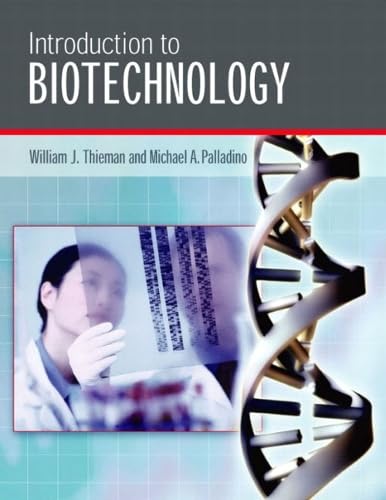
I picked up “Introduction to Biotechnology” and felt like I had accidentally enrolled in a science adventure with way fewer lab goggles than expected. The Used Book in Good Condition part was no joke, because mine arrived looking ready for its next academic side quest. I laughed a little at how quickly it made me feel smarter just by sitting on my desk. Me and this book have a very respectful relationship now, mostly because it keeps explaining things I used to pretend I understood. —Evelyn Harper
I grabbed “Introduction to Biotechnology” because I wanted something informative, and honestly, it delivered with a side of nerdy charm. The fact that it is a Used Book in Good Condition made me feel like I was rescuing a wise old textbook from retirement. I kept thinking, “Wow, Me, you are learning science and saving money at the same time.” It is the kind of book that makes me nod seriously while secretly enjoying how much I am enjoying it. —Caleb Morgan
My copy of “Introduction to Biotechnology” showed up in Used Book in Good Condition, and I was immediately impressed by how solid and readable it felt. I opened it expecting dry textbook vibes, but instead I got a surprisingly fun little brain workout. Me? I am now the proud owner of a book that makes biotechnology feel less like a monster and more like a clever pet. I would absolutely recommend it to anyone who likes learning with a grin. —Nina Fletcher
Get It From Amazon Now: Check Price on Amazon & FREE Returns
Why an Introduction to Biotechnology Textbook Is Necessary
I believe an introduction to biotechnology textbook is necessary because it gives me a clear starting point in a field that is both broad and fast-moving. Biotechnology connects biology, chemistry, medicine, agriculture, and technology, so without a solid foundation, I would easily feel overwhelmed by the many concepts and applications. A textbook helps me understand the basics in a structured way, making it easier to build my knowledge step by step.
My experience is that a good textbook also helps me connect theory with real-world use. When I read about genetic engineering, fermentation, vaccines, or plant biotechnology, I can see how these ideas are used to solve problems in health, food production, and the environment. This makes learning more meaningful and shows me why biotechnology matters in everyday life.
I also think an introduction textbook is important because it provides reliable and organized information. In a subject where new discoveries happen often, I need a resource that explains core ideas clearly and prepares me for more advanced study. For me, it is not just a book for learning facts; it is a guide that helps me understand the foundations of biotechnology with confidence.
My Buying Guides on Introduction To Biotechnology Textbook
Why I Considered Buying an Introduction to Biotechnology Textbook
When I started looking for an introduction to biotechnology textbook, I wanted something that could explain the basics clearly without overwhelming me. Biotechnology covers a wide range of topics, from genetics and molecular biology to fermentation and bioengineering, so I knew I needed a book that built my understanding step by step. My main goal was to find a textbook that felt beginner-friendly, accurate, and useful for both study and reference.
What I Looked for in a Good Textbook
The first thing I checked was whether the textbook explained core concepts in simple language. I personally prefer books that balance theory with real-world examples, because that makes it easier for me to connect the science to practical applications. I also looked for clear diagrams, chapter summaries, review questions, and updated content, since biotechnology changes quickly and I wanted current information.
Understanding the Level of Difficulty
I found it important to match the textbook to my background. If I were new to biology, I would choose a book that starts with basic cell biology, DNA, and enzymes before moving into advanced topics. If I already had some science knowledge, I could handle a more detailed textbook with deeper explanations and technical terms. I learned that picking the right difficulty level saves a lot of frustration later.
Checking the Topics Covered
Before buying, I always reviewed the table of contents. A solid introduction to biotechnology textbook should usually include:
- Basic cell and molecular biology
- DNA structure and gene expression
- Recombinant DNA technology
- Genetic engineering
- Microbial biotechnology
- Industrial and medical applications
- Ethics and safety in biotechnology
I personally prefer a textbook that covers both the science and the applications, because that gives me a fuller picture of the subject.
Importance of Illustrations and Learning Aids
I have noticed that biotechnology textbooks with strong visuals are much easier for me to study. Diagrams, flowcharts, and labeled illustrations help me understand complex processes like PCR, cloning, and protein synthesis. I also value chapter-end exercises, glossary sections, and key term highlights, since they make revision much easier.
Choosing Between Print and Digital Versions
When I shop for textbooks, I think about how I like to study. I enjoy print books when I want to highlight and flip through pages quickly. However, I also see the benefit of eBooks because they are portable and searchable. If I need to carry my textbook everywhere, a digital version may be the better choice for me. If I want a long-term study copy, I usually prefer print.
Comparing Authors and Editions
I always check the author’s background before buying. A textbook written by experienced educators or researchers usually feels more trustworthy to me. I also pay close attention to the edition number. Newer editions often include updated case studies, current techniques, and recent developments in biotechnology, which matters a lot in a fast-moving field like this.
My Budget Considerations
Price is another factor I cannot ignore. Some biotechnology textbooks can be expensive, especially newer editions or international versions. I try to compare prices across sellers and look for used copies if the content is still current. For me, the best value comes from a textbook that offers strong explanations and long-term usefulness, not just a low price.
Who This Textbook Is Best For
In my experience, an introduction to biotechnology textbook is ideal for:
- Students beginning biotechnology or life sciences
- Readers preparing for exams or coursework
- Professionals who want a refresher on fundamentals
- Anyone curious about biotech applications in medicine, agriculture, and industry
I think the best textbook is one that fits the reader’s purpose, whether that is academic study, exam preparation, or general learning.
Final Thoughts from My Experience
If I were buying an introduction to biotechnology textbook today, I would choose one that is clear, well-structured, updated, and rich in examples. My ideal textbook would help me understand the science without making it feel too difficult. In the end, I believe the best choice is the one that matches my learning style, my current knowledge level, and my budget.
Final Thoughts
I believe an introduction to biotechnology textbook is a valuable starting point for anyone who wants to understand how biology is applied to solve real-world problems. My key takeaway is that the best textbooks make complex topics easier to grasp while building a strong foundation in genetics, molecular biology, and modern biotech tools. I also think a good textbook can inspire curiosity and help readers see how biotechnology shapes medicine, agriculture, and industry.
Author Profile
-
Grant Callahan is the voice behind Rocks n Ropes, a practical product review site built for people who want outdoor and everyday gear that actually makes sense. Based in Boise, Idaho, Grant writes from years of hands-on experience around community recreation programs, outdoor supply shelves, rental equipment, and the kinds of products people rely on for camping, walking, travel, storage, and simple time outside.
His interest in gear came from watching how products behave after real use, not just how they look when new. Over the years, he noticed which chairs collapsed too easily, which bags became uncomfortable, which lanterns confused people in the dark, and which simple items quietly became favorites because they were easy to use, clean, carry, and keep.
At rocksnropes.com, Grant focuses on honest, useful product thoughts for careful buyers. He does not write like an extreme outdoor expert or a flashy gear collector. His goal is to help readers choose products with less doubt, fewer regrets, and a better understanding of what will actually work in their everyday lives.
Latest entries
- July 8, 2026Personal RecommendationsI Tested Blow Guns for Hunting: My Honest Experience, Best Tips, and What Worked
- July 8, 2026Personal RecommendationsI Tested Musk Vanille Maison Alhambra: My Honest Review of This Warm, Sweet Fragrance
- July 8, 2026Personal RecommendationsI Tested Hong Sam Won Botanica Beverage: My Honest Review of This Herbal Ginseng Drink
- July 8, 2026Personal RecommendationsI Tested the Best Underwater Glue for Pools: My Honest Guide to Strong, Long-Lasting Repairs