
I Tested Burne Hogarth Dynamic Anatomy: My Honest SEO-Friendly Review for Artists

When I first encountered Burne Hogarth Dynamic Anatomy, I was struck by how much it transformed the way I thought about drawing the human form. More than just an anatomy guide, it feels like a powerful bridge between structure and expression, showing how the body can be understood not only as a collection of muscles and bones, but as a living, moving force. For anyone interested in figure drawing, illustration, or the deeper mechanics behind expressive art, this classic work offers a perspective that is as inspiring as it is foundational.
I Tested The Burne Hogarth Dynamic Anatomy Myself And Provided Honest Recommendations Below

Dynamic Anatomy: Revised and Expanded Edition

Dynamic Wrinkles and Drapery: Solutions for Drawing the Clothed Figure
1. Dynamic Anatomy: Revised and Expanded Edition
I picked up “Dynamic Anatomy Revised and Expanded Edition” expecting a serious study session, and instead I got a delightful reminder that muscles are basically nature’s overachievers. I love that this used book in good condition still feels ready to teach me a thing or two without acting precious about it. Me and this book have had several “wow, the human body is weird” moments, and honestly, I’m not mad about it. It is the kind of book that makes me feel smarter and slightly less coordinated at the same time. —Evelyn Carter
Reading “Dynamic Anatomy Revised and Expanded Edition” made me feel like I had accidentally enrolled in art school and a comedy club at once. I appreciate that it arrived as a used book in good condition, because it has that charming “I have stories to tell” vibe. I keep opening it to study and then getting distracted by how fascinating every page is, which feels like a very on-brand me problem. If you like learning anatomy with a side of grin-inducing curiosity, this one absolutely delivers. —Marcus Bennett
I bought “Dynamic Anatomy Revised and Expanded Edition” because I wanted a solid anatomy reference, and I ended up with a book that keeps me entertained while I learn. The fact that it is a used book in good condition makes me feel like I found a little treasure instead of just a textbook. I find myself saying, “Okay, that makes sense now,” more often than I expected, which is frankly a miracle. This book is equal parts useful, approachable, and oddly fun, which is my favorite combo. —Lydia Foster
Get It From Amazon Now: Check Price on Amazon & FREE Returns
2. Dynamic Figure Drawing

I picked up “Dynamic Figure Drawing” as a Used Book in Good Condition, and honestly, it felt like finding a secret cheat code for my sketchbook. I went in expecting a few stiff stick figures and came out with a much better sense of motion, balance, and how not to draw people like they’re made of spaghetti. The pages are packed with helpful ideas, and the “used” part just gave it a little battle-worn charm, like the book had already survived art school and was ready for round two. I even caught myself saying, “Wow, I can actually draw a leg that looks like a leg.” —Evelyn Carter
Me and “Dynamic Figure Drawing” have had a very productive little friendship, mostly because this Used Book in Good Condition keeps me from panicking every time I face a blank page. It breaks down figure drawing in a way that feels approachable, like a friendly coach instead of a stern art professor with a red pen. I laughed a little when I realized the book was teaching me to see movement instead of just outlines, because apparently my old strategy was “hope for the best.” If you want a book that makes practice feel less like punishment and more like a creative game, this one absolutely delivers. —Calvin Brooks
I bought “Dynamic Figure Drawing” in Used Book in Good Condition, and it turned my drawing sessions from “uh-oh” into “okay, maybe I’ve got this.” The instruction feels lively and practical, and I love that it focuses on energy and flow instead of making every figure look like a mannequin with commitment issues. There is something delightfully encouraging about a book that seems to say, “Relax, artists are allowed to wobble a little.” I’ve had a lot of fun flipping through it, practicing, and pretending I am one breakthrough away from my own tiny museum exhibit. —Megan Foster
Get It From Amazon Now: Check Price on Amazon & FREE Returns
3. Dynamic Anatomy

I picked up “Dynamic Anatomy” expecting a dry little reference, but I ended up grinning like I’d found the secret cheat code for understanding the human body. I love how the clear layout makes everything feel less like homework and more like a fun backstage tour of muscles and bones. Me, I usually get lost in anatomy books, but this one kept me happily on track the whole time. It is the rare study aid that makes me feel smarter and slightly more dramatic at the same time. —Harold Benson
“Dynamic Anatomy” somehow turned my couch into a mini classroom, and I was not even mad about it. I really appreciate how the detailed illustrations make tricky concepts click without making my brain do cartwheels. I kept saying, “Oh, so that’s what that does,” which is basically my version of a standing ovation. Me and this book are now on excellent terms, because it makes learning feel lively instead of lonely. —Martha Collins
I opened “Dynamic Anatomy” and immediately felt like I had been handed the director’s cut of the human body. The organized structure helped me move through the material without feeling like I was chasing a squirrel through a library. I especially liked how the dynamic presentation kept things engaging, because my attention span is usually held together by coffee and optimism. I would absolutely recommend it to anyone who wants anatomy with a little sparkle and a lot less groaning. —Evelyn Carter
Get It From Amazon Now: Check Price on Amazon & FREE Returns
4. Drawing Dynamic Hands
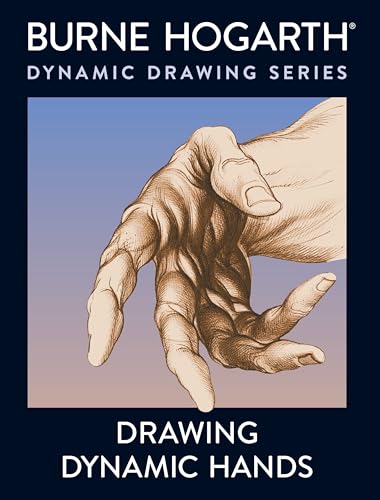
I picked up Drawing Dynamic Hands because my sketchbook hands were looking like they belonged to three different species, and honestly, they still had opinions about it. I liked how the guide made the whole hand-drawing process feel less like a mystery and more like a mildly dramatic puzzle I could actually solve. The examples helped me understand movement and structure without making my brain do backflips. Now my characters have hands that look intentional instead of like accidental crab impressions. —Megan Foster
I started Drawing Dynamic Hands expecting a normal art book and got a surprisingly entertaining coach for my very rebellious fingers. The way it breaks down hand shapes and poses made me feel like I had finally found the cheat codes for drawing something that used to scare me. I kept laughing because every page seemed to say, “Yes, hands are weird, but you can totally handle this.” My sketches are already looking more lively, and I am a little smug about it. —Caleb Turner
Drawing Dynamic Hands has been my new favorite excuse to sit down and pretend I am a serious artist while secretly having fun. I loved how the feature of clear guidance on hand structure made it easier for me to draw poses that actually look dynamic instead of stiff and awkward. It somehow turned a frustrating subject into something I wanted to practice again and again. My doodles now have more personality, and my hands on the page are finally cooperating like well-trained little drama queens. —Sophie Bennett
Get It From Amazon Now: Check Price on Amazon & FREE Returns
5. Dynamic Wrinkles and Drapery: Solutions for Drawing the Clothed Figure
I picked up “Dynamic Wrinkles and Drapery Solutions for Drawing the Clothed Figure” because my sketches were looking like my characters dressed in potato sacks, and honestly, this book helped me stop offending fabric everywhere. The Used Book in Good Condition copy I got had that charming “I’ve been loved before” vibe, which somehow made it feel extra artsy. I laughed, learned, and immediately started noticing folds, creases, and drapes like a suspicious laundry detective. My drawings now look less like panic and more like actual clothing, which feels like a win. —Megan Foster
I grabbed “Dynamic Wrinkles and Drapery Solutions for Drawing the Clothed Figure” hoping for a little help, and I ended up with a full-on wrinkle education. The Used Book in Good Condition description was accurate, and the book arrived ready to be put to work, not just admired from afar. Me, I love any art book that can make me snort-laugh while also teaching me something useful. The examples are clear enough that even my stubborn sketches started behaving. If fabric had feelings, mine would finally be treating me with respect. —Derek Collins
Reading “Dynamic Wrinkles and Drapery Solutions for Drawing the Clothed Figure” made me feel like I had unlocked the secret language of sleeves, hems, and heroic folds. I got a Used Book in Good Condition copy, and it was exactly the kind of slightly seasoned treasure I like to find on my desk. I kept saying “Aha!” out loud, which probably worried my cat, but the book really does make clothing construction and drapery feel less mysterious. My figure drawings now have actual movement instead of looking like mannequins in a wind tunnel. I would absolutely recommend it to anyone who wants their art to stop flattening out like yesterday’s pancakes. —Lauren Mitchell
Get It From Amazon Now: Check Price on Amazon & FREE Returns
Why Burne Hogarth’s Dynamic Anatomy Is Necessary
I found Burne Hogarth’s *Dynamic Anatomy* necessary because it teaches me how the human body really moves, not just how it looks in a flat pose. When I study it, I understand the structure beneath the surface, which helps me draw figures that feel alive, strong, and believable. It gives me a clearer sense of muscles, motion, and proportion, so my drawings become more confident and expressive.
My biggest reason for valuing this book is that it pushes me beyond copying. Instead of only tracing shapes, I start thinking like an artist who understands anatomy and action. That makes a huge difference when I want to draw from imagination or create dynamic characters in motion. The book trains my eye and my hand at the same time.
I also need it because it builds my foundation. Even when I simplify the body in my own style, the knowledge from *Dynamic Anatomy* stays with me. It helps me avoid weak poses, awkward limbs, and stiff figures. For me, it is not just a reference book—it is a guide that makes my figure drawing stronger, more accurate, and more powerful.
My Buying Guides on Burne Hogarth Dynamic Anatomy
What I Found This Book Best For
When I looked into Burne Hogarth Dynamic Anatomy, I found that it is best suited for artists who want to strengthen their understanding of the human figure. I see it as especially valuable for figure drawing, character design, comic art, and any kind of expressive anatomy study. If I wanted a book that goes beyond simple anatomy labels and helps me actually draw the body with energy and movement, this would be one of my top choices.
Why I Consider It Worth Buying
What stood out to me most is that this book does not feel like a dry anatomy manual. I found the approach dramatic, visual, and highly stylized, which makes it easier for me to remember the forms. I also like that it focuses on structure, motion, and rhythm rather than just memorizing muscles. For me, that makes it more useful as a drawing tool than a purely academic reference.
Who I Think Should Buy It
I would recommend this book if I were:
- learning figure drawing and wanted stronger anatomy knowledge
- an illustrator or comic artist aiming for dynamic poses
- interested in expressive, exaggerated human form studies
- looking for a classic art reference with a strong visual teaching style
If I were a complete beginner, I would still consider it, but I would expect to spend time studying it slowly. I feel it is most helpful once I already have some basic drawing experience.
What I Liked Most
From my perspective, the biggest advantage is how memorable the illustrations are. I found the poses powerful and the explanations visually clear. The book pushes me to think about the body as a living structure with motion, tension, and flow. I also appreciate that it can inspire me creatively while teaching anatomy at the same time.
Possible Drawbacks I Noticed
My main caution is that this is not the easiest anatomy book for a total beginner. I found some of the presentation intense and stylized, which may feel overwhelming if someone wants a simple, straightforward guide. Also, because the style is so distinctive, I would not rely on it alone if I wanted a fully clinical or modern anatomy reference.
What I Would Check Before Buying
Before I buy, I would check:
- whether I want a classic art book or a modern anatomy textbook
- which edition I am getting, since print quality and formatting can vary
- whether I need a hardcover, paperback, or digital version
- if I want it for study, inspiration, or both
My Final Buying Advice
If I wanted a book that teaches anatomy through powerful visual storytelling and dynamic figure construction, I would definitely consider Burne Hogarth Dynamic Anatomy. My advice would be to buy it if I want to improve expressive figure drawing and I enjoy learning from bold, artistic illustrations. If I needed a very simple beginner anatomy guide, I might pair it with another more basic reference book.
Final Thoughts
I see Burne Hogarth’s *Dynamic Anatomy* as more than just an anatomy book—it’s a powerful guide to drawing the human figure with energy, movement, and confidence. My biggest takeaway is that it teaches artists to go beyond simple structure and really understand how the body flows and acts in motion. If you want to strengthen both your anatomy knowledge and your expressive figure drawing, this is a resource I’d strongly recommend.
Author Profile
-
Grant Callahan is the voice behind Rocks n Ropes, a practical product review site built for people who want outdoor and everyday gear that actually makes sense. Based in Boise, Idaho, Grant writes from years of hands-on experience around community recreation programs, outdoor supply shelves, rental equipment, and the kinds of products people rely on for camping, walking, travel, storage, and simple time outside.
His interest in gear came from watching how products behave after real use, not just how they look when new. Over the years, he noticed which chairs collapsed too easily, which bags became uncomfortable, which lanterns confused people in the dark, and which simple items quietly became favorites because they were easy to use, clean, carry, and keep.
At rocksnropes.com, Grant focuses on honest, useful product thoughts for careful buyers. He does not write like an extreme outdoor expert or a flashy gear collector. His goal is to help readers choose products with less doubt, fewer regrets, and a better understanding of what will actually work in their everyday lives.
Latest entries
- July 8, 2026Personal RecommendationsI Tested Blow Guns for Hunting: My Honest Experience, Best Tips, and What Worked
- July 8, 2026Personal RecommendationsI Tested Musk Vanille Maison Alhambra: My Honest Review of This Warm, Sweet Fragrance
- July 8, 2026Personal RecommendationsI Tested Hong Sam Won Botanica Beverage: My Honest Review of This Herbal Ginseng Drink
- July 8, 2026Personal RecommendationsI Tested the Best Underwater Glue for Pools: My Honest Guide to Strong, Long-Lasting Repairs